There has been a rising demand for renewable energy solutions in India. It has significantly increased the interest in biomass fuel technologies. Industries have been actively shifting towards sustainable fuel alternatives. The quest is to reduce carbon emissions and operational costs. In the evolving energy landscape, the Briquette Cum Pellet Machine has emerged as a highly versatile and commercially viable solution. New Lehra Industries has been well known for its engineering expertise in biomass processing machinery. It also offers advanced solutions that allow manufacturers to produce both the briquettes and pellets efficiently. The dual production capability also creates strong business flexibility while maximizing the return on investment.
Understanding the Briquette Cum Pellet Machine
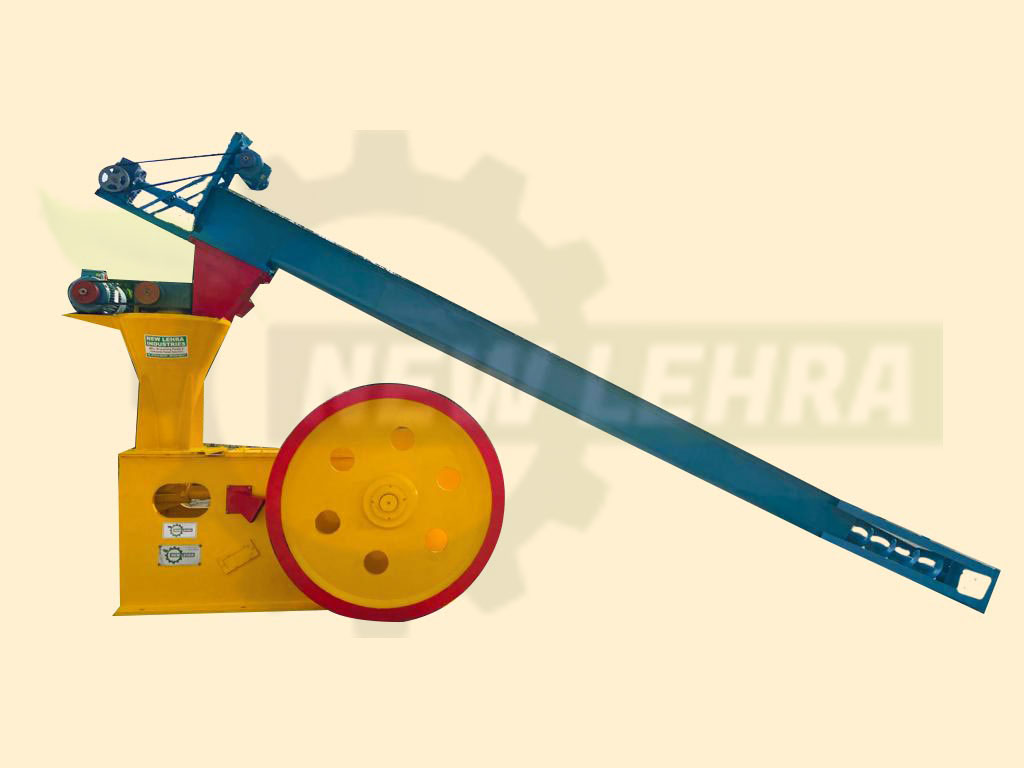
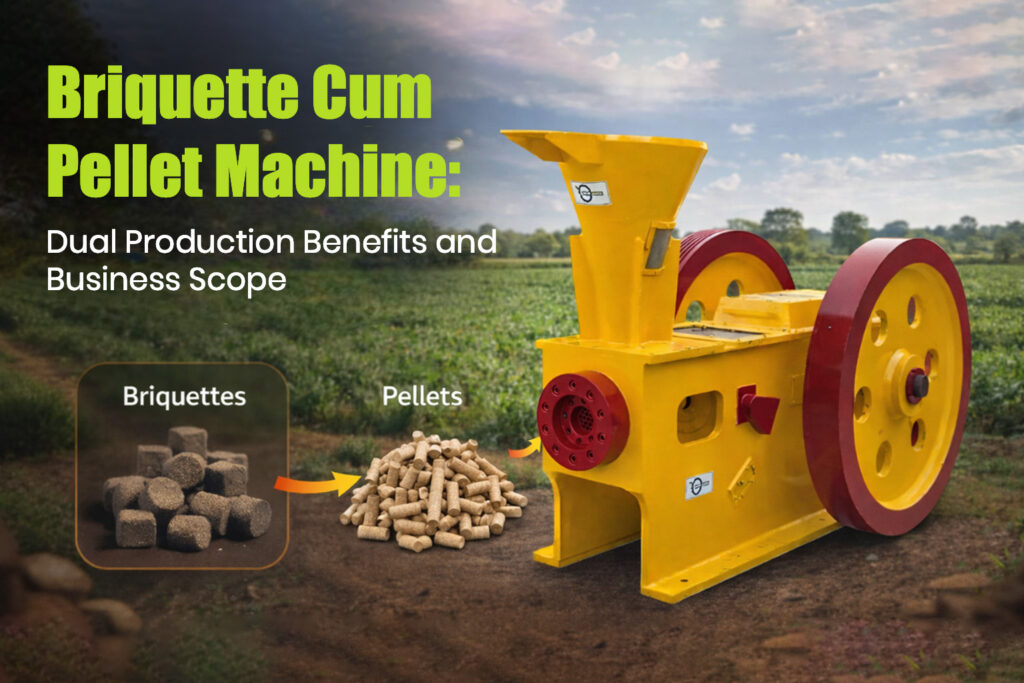
A Briquette Cum Pellet Machine serves as an integrated biomass processing system. It is designed for converting agricultural and forestry waste into solid fuel in two different formats. The available solutions are briquettes and pellets. You don’t need to install the separate production lines. Manufacturers can simply utilize a single system to cater to multiple market demands. The core function of the machine is densification. It will compress loose biomass, such as sawdust and rice husk, into high-density fuel blocks or pellets. The other materials used include bagasse and groundnut shell. Also, mustard husk and crop residues serve the purpose well. The machine operates through high-pressure mechanical compression. It ensures uniform size in addition to strong binding. Also, the manufacturers can obtain consistent combustion quality. New Lehra systems are engineered for providing the stable output. It also ensures optimized energy consumption in addition to the long operational life. They are thus very suitable for both the small-scale and the industrial-scale installations.
Difference Between Briquettes and Pellets
When understanding the dual benefits, it is important to differentiate between the two fuel formats. Briquettes refer to the larger cylindrical fuel blocks that are typically used in boilers. They are also used in furnaces and industrial heating systems. On the other hand, pellets are smaller and uniform granules. They are highly suited for automated combustion systems in addition to the pellet-based boilers. Installing a briquette and pellet-making machine ensures that businesses can serve both the manual and automated fuel markets. The versatility also significantly expands the customer reach.
Why Dual Production Matters?
- Market Diversification – One of the biggest advantages of a biomass pellet-briquette machine is its ability to serve diverse industrial segments. Briquettes are highly valuable for use in textile mills as well as brick kilns. Also, they find use in the food processing units and the power plants. On the other hand, the pellets are preferred in the modern automated boiler systems as well as the export markets. Offering both products helps the manufacturers reduce dependency on a single fuel category. It also helps in creating multiple revenue streams.
- Flexible Pricing Strategy – Fuel markets are dynamic. There is seasonal demand as well as export requirements. In addition, there are frequent industrial fuel shifts that often affect the pricing. The dual production capability helps businesses shift their production focus in line with profitability trends. For example, during the high export demand, pellet production can be increased. When local industrial demand rises, briquette output should take priority. The flexibility enhances profit margins in addition to the operational stability.
- Improved Raw Material Utilization – The different biomass materials perform differently in the briquetting and pelleting processes. A pellet and briquette plant setup allows operators to optimize raw material usage efficiently. Some biomass types are better suitable for pellet production. The reason behind this is the finer particle size. On the other hand, there are others that perform well in the briquette compression. Having both production capabilities ensures minimal wastage in addition to better inventory control.
Investment and Setup Overview
Setting up a dual production biomass plant requires strategic planning. A typical pellet and briquette plant includes a raw material storage facility. Then there is a crusher or grinder. In addition to the rotary drum dryer. When the moisture content is high, there is a requirement for a briquette cum pellet machine in addition to cooling and storage systems. Also, the conveyors and feeding units are mandatory. Investment is completely dependent on the capacity. The small-scale setups are highly suitable for the local supply. On the other hand, the larger industrial plants can serve the state level or export markets. New Lehra Industries has been providing customized plant solutions tailored to capacity requirements. It has also ensured energy efficiency in addition to long-term reliability.
Operational Advantages of New Lehra Systems:
- Robust Engineering: New Lehra machines have been built with heavy-duty components designed for continuous operation. There are also high-quality dies and rollers, ensuring uniform density in both briquettes and pellets.
- Energy Efficiency: The power optimization plays a critical role in profitability. There are efficient motor systems that reduce the electricity consumption while also maintaining a consistent output.
- Customization: The different industries require different production capacities. In this regard, New Lehra offers multiple configurations to meet small-, medium-, or large-scale production goals.
- Ease of Maintenance: Where parts are accessible as well as replaceable, they thus help in minimizing downtime. Proper maintenance also ensures a long-term lifespan as well as stable production.
Profitability Potential
The biomass fuel market has been continuing to grow due to environmental regulations, as well as cost advantages. A briquette and pellet making machine provides multiple income channels. The revenue is dependent on the raw material sourcing cost in addition to the production capacity. Then there are other factors like market demand as well as transportation logistics. Another important factor is the fuel quality consistency. By offering both the briquettes and pellets, the businesses have been gaining flexibility for maximizing profitability throughout the years.
Environmental Impact
The adoption of biomass pellet briquette machines supports sustainable waste management. It reduces the open burning of the crop residue in addition to converting the agricultural waste into valuable fuel. Environmental benefits include a lower carbon footprint in addition to reduced air pollution. Also, it guarantees sustainable fuel generation in addition to contributing to the circular economy practices. The industries have been increasingly prioritizing the suppliers that align with the green energy initiatives.
Space and Infrastructure Requirements
The space requirements are completely dependent on the plant capacity as well as the drying systems. A compact unit may require moderate floor space. On the other hand, the fully integrated pellet and briquette plant requires additional area for storage as well as material handling. What is important is the proper ventilation and the power connection. In addition, there is the importance of raw material supply chain planning. They are essential for the smooth operation. New Lehra provides the layout guidance for ensuring the optimal workflow, in addition to efficient material movement.
Who should invest in a briquette cum pellet machine?
The technology is highly ideal for entrepreneurs entering the biomass fuel market. Also, the agro-processing units with the residue availability, in addition to the farmers’ cooperatives, will benefit from it. It is highly beneficial for the fuel traders expanding into the renewable energy sector, as well as the industries that are looking for captive fuel production. Dual production capability also increases the long-term sustainability of the investment.
Conclusion
The briquette-cum-pellet machine represents more than just equipment. It serves in the form of a gateway to diversify revenue. It will offer flexibility as well as sustainable growth. Combining the capabilities of a briquette and pellet making machine into one integrated system will help the manufacturers expand the market reach while also optimizing the raw material use. New Lehra Industries has been delivering reliable, durable, and customizable solutions. All of these are designed for meeting the growing demands of India’s biomass energy sector. It has been serving the local industries as well as larger commercial markets. In this regard, it can be said that the dual production system provides a strong foundation for long-term business success. If you are planning to enter or expand into biomass fuel technology, it’s worth considering investing in a biomass pellet briquette machine. Also, you need a complete pellet and briquette plant setup that will be a future-ready decision aligned with the profitability and sustainability.