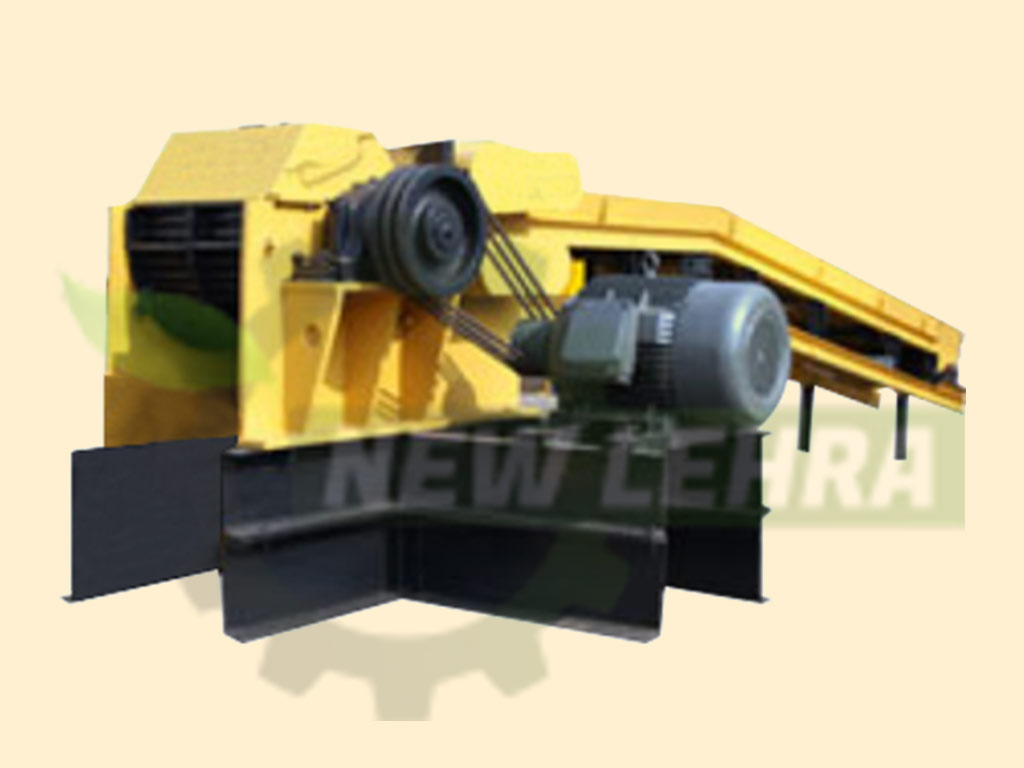

In the biomass fuel industry, moisture control plays a crucial role in ensuring the product quality. It also guarantees operational efficiency in addition to profitability. Regardless of the purpose, like producing briquettes or pellets, raw material must meet the specific moisture standards for the achievement of the optimal density as well as combustion value. This is where the rotary drum dryer plays an essential role in modern business in modern biomass production plants. New Lehra Industries has been recognized as a trusted industrial rotary dryer manufacturer. It provides robust drying solutions that are engineered specifically for biomass applications. There is precision design as well as reliable performance. In this regard, the drying systems also help the manufacturers achieve consistent output as well as improved fuel quality.
What is a rotary drum dryer?
A rotary drum dryer serves in the form of a large cylindrical industrial machine designed for the reduction of the moisture content in bulk materials using a controlled hot air flow. The drum rotates slowly while also internally lifting flights that cascade the material through the heated air, ensuring uniform drying. In biomass processing, the system is particularly valuable because agricultural residues often contain around 30% to 60% moisture. Before feeding the material into the briquetting or the pelleting machines, the moisture must typically be reduced to around 8% to 12%. Without proper drying, the final fuel quality suffers, and the machine performance declines. New Lehra biomass rotary drum dryer systems are designed for the delivery of consistent moisture reduction while also maintaining the material integrity.
Rotary dryer working principle
Understanding the rotary dryer working principle helps explain why the system is so widely used. valuables in the biomass fuel production.
- Material feeding: The wet biomass, such as sawdust, rice husk, or bagasse, is fed into one end of the rotating drum.
- Heat application: A burner system generates hot air. It flows through the drum either in the co-current or the counter-current direction.
- Cascading action: Internal lifting flights lift as well as shower the material through the hot air stream. It then increases the surface contact.
- Moisture evaporation: The material moves along the drum. The moisture evaporates gradually.
- Discharge: The dried material exits from the opposite end at the desired moisture level. The rotating motion, as well as the airflow combination, ensures uniform drying. It also guarantees preventing overheating or material burning. The controlled process is especially important in biomass fuel production.
Why moisture control matters in the biomass
In briquette and pellet manufacturing, moisture content directly affects the density of the final product. It also affects the calorific value in addition to the combustion efficiency. It affects the storage stability in addition to the machine wear and tear. When the biomass is too wet, then the briquettes may crack, and the pellets may not form properly. The excess moisture also increases the smoke, as well as reduces the fuel efficiency. A biomass rotary drum dryer ensures the raw material meets the required specifications before entering the completion machines.
Applications of the rotary drum dryer
The versatility of a rotary drum dryer makes it suitable for various industries. Also, in the biomass sector, it plays a critical role.
- Sawdust drying: A sawdust dryer machine is commonly used in the wood processing and furniture industries. The fresh sawdust can also contain high moisture levels. It is especially important when sourced from the green wood. Drying also improves the pellet formation as well as increases the calorific value.
- Agricultural waste processing: The crop residues, such as rice husk and wheat straw, often require drying before densification. Also, it goes the same with groundnut shell and mustard husk. A rotary dryer ensures the uniform moisture reduction for the smooth briquetting.
- Cow dung as well as organic waste. For the eco-friendly fuel production, the cow dung as well as organic biomass must be dried efficiently. The controlled drying prevents microbial growth in addition to improved fuel stability.
- Integrated Pellet and Briquette Plants. In a complete biomass plant setup, the dryer is positioned between the crusher and the briquette or pellet machine. It also ensures a consistent feedstock quality for the high-density output.
Benefits of using a rotary drum dryer
- Uniform drying – The rotating drum and lifting mechanism provide even exposure to the hot air. It also reduces the risk of uneven moisture distribution, which can otherwise affect the downstream processes.
- High drying efficiency – Compared to the sun drying or the small batch dryers, industrial rotary systems handle the large volume efficiently. It also increases the production capacity and reduces the downtime.
- Improved product quality – The consistent moisture content ensures better briquette strength as well as pellet durability. It leads to higher market acceptance as well as improved fuel performance.
- Energy optimization – The modern dryers are designed to optimize fuel consumption while also maintaining the output quality. The biomass fuel can also be used for powering the heating system. It reduces the operational costs.
- Continuous operation – Unlike the batch drying systems, a biomass rotary drum dryer operates continuously. It supports the high-volume production plants in addition to ensuring a stable workflow.
Role of an industrial rotary dryer manufacturer
Choosing the right industrial rotary dryer manufacturer is essential for long-term performance. It also guarantees better return on investment. A reliable manufacturer ensures the heavy-duty drum construction. It also ensures accurate air flow control, as well as durable bearings and support systems. It guarantees the efficient burner integration in addition to the safety mechanisms. New Lehra Industries focuses on designing dryers that are specifically built for biomass applications. The engineering approach also prioritizes durability as well as thermal efficiency. Also, pay attention to the easy maintenance.
Key Components of a Rotary Drum Dryer
For understanding the performance, it is important to know the main components. Know about the rotating drum cylinder as well as the internal lifting flights. Then there is a burner or heat source in addition to the airflow fan system. There is also a cyclone separator or a dust collector in addition to the drive motor and gearbox. Every component must be particularly aligned and maintained for optimal drying performance.
Maintenance and Longevity
Routine maintenance ensures a long machine life. It also guarantees consistent output. The basic maintenance includes bearing lubrication and flight inspection. Also, there is the importance of burner cleaning and drum alignment checks. Also, conduct the dust collection system servicing. A well-maintained sawdust dryer machine can operate efficiently for many years. It will also support the continuous biomass production.
Space and Installation Considerations
Rotary dryers require sufficient floor space for installation as well as material feeding. Also, the discharge handling requires enough space. Adequate ventilation and exhaust management are important for maintaining safe operating conditions. Integration with the crushers and conveyors should be carefully planned for optimizing the plant layout as well as material flow.
Environmental Benefits
Using a biomass rotary drum dryer contributes to environmental sustainability. It enables the waste-to-energy conversion. It reduces the open burning of agricultural residue and supports the use of renewable fuel. It also lowers the dependence on fossil fuels. Efficient drying enhances the fuel quality. It ensures cleaner combustion as well as lower emissions in the industrial boilers.
Future Outlook
The future of biomass fuel in India looks promising. There are stricter environmental regulations in addition to the rising coal prices. Also, there are industrial decarbonization efforts. With these, there is demand for the solid biomass fuel that will continue to expand. A briquette-cum-pellet machine offers a strategic advantage by positioning the manufacturers to adapt to the evolving fuel requirements. Businesses that invest in the flexible production technology today will be better prepared for tomorrow’s energy landscape.
A properly designed rotary drum dryer ensures that the biomass fuel produces meet the quality standards while also maintaining the operational efficiency. The pellet exports grow, and the domestic demand has been rising. There is a demand for reliable drying technology that has become more important than ever.
Conclusion
The rotary drum dryer serves in the form of the vital component in biomass processing. It also ensures the consistent moisture reduction in addition to the improved fuel quality. Understanding the rotary dryer working principle helps the manufacturers appreciate how controlled heat and rotation create the uniform drying results. Businesses producing the briquettes and pellets require investing in a durable biomass rotary drum dryer. Also, they need to invest in the sawdust dryer machine from a trusted industrial rotary dryer manufacturer like New Lehra Industries. It enhances productivity, efficiency, as well as profitability. In the evolving renewable energy landscape, efficient drying technology is not just an accessory. It serves in the form of a strategic necessity for the sustainable biomass fuel production.